
More than Parallel
Three poems on memory, mourning, and the sacred spaces where grief takes shape

you’d imagine lines as silhouette
then a heart in broken shadow
hardly breathing
maybe there’s a rhythm to the equator
spinning though never moving
so much depends on not knowing
what happens has happened again
the world dies on time and stays there
for the heroes and the ghosts
learn to speak in measured doubt
draw the motion of someone’s eyes
as they leave inspiration to rest

i sometimes reach past myself
rise and fall to the touch of her memory
fight with spirits within my head
place offerings of belief like pearls
spend hours to retrace the tears
i listen to the hopes of icons
falling to a bronze creator in alabaster
until all that’s mine becomes hers
rubi’s vigil
some return from a horizon of long ago
holding hands that are muted
sacrificed to embered statues as fire
wants to be at first
contained by the blackness of an urn
when the frost circles its depth
and you can’t stand it any longer
as you were right then
and the winds too cold to leave ripples
cloud a place you can’t recall
branches shudder from such drowning

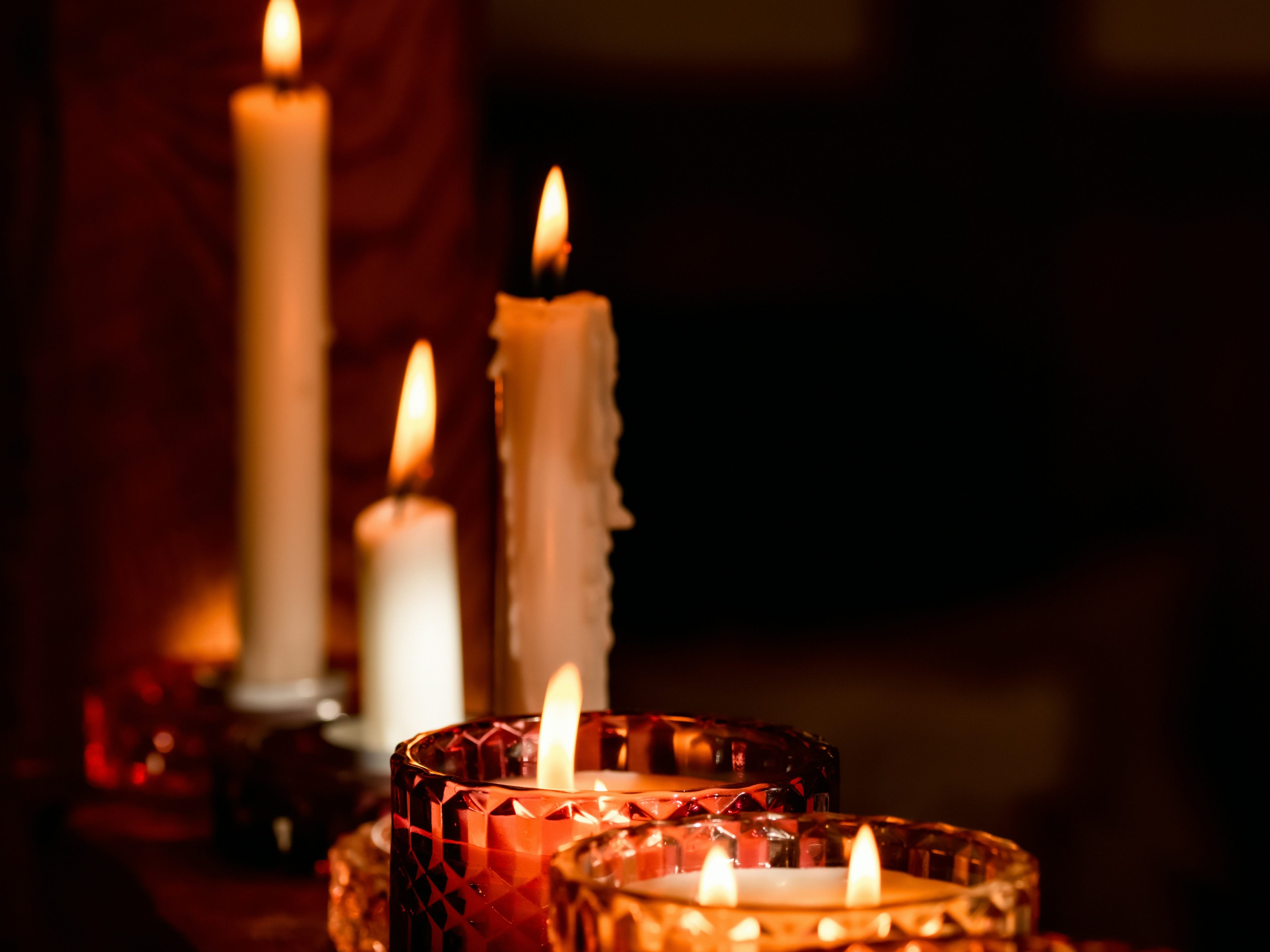
who’s going to light candles which god
looks to that vintage daguerreotype
the silver that disrupts the mekong’s gold
an unlikely sunset thrives to be here
long enough to hold the head so close
a setting that won’t let you go

something of a woman’s sandalwood gown
burnt to hover in vapors of smoke
lining the currents of a summer wind
spills from the weeping humidity
so much the gods stand frozen
unable to reply to our chants
their own prayers misheard in the silence
silk
such heavy gold must have dripped from
the sky in waves you’d see from the sun
but don’t stay too long
don’t look here
at the feet hand-forged tile geometry
inscribed meaning a visitor’s edifice
taking turns the next one taught to learn
incense handed over right to the left hand

though some can’t read the scripted gods
pure white banners sashes that surround
all around columns that heighten the eaves
of the roof of tiled green moss
how weathered they are seen from
the inside out unlike the gods they shelter

iron circles these columns holding intact
the only grey relief worth seeing
just ask the monks who learned prayers
and fed ore to the ochre furnace
here alone you can see the red tongue
depicted as such and screeching
a stone foot that grinds
a flowered serpent to the ground but
may recover next spring as evil recoils
for the next visitor to begin their memory
Kenneth Kesner (肯内思) splits his time between the Caucasus and South East Asia. Some recent works are featured in: the engine(idling, Glint Literary Journal, Midsummer Dream House, Pictura Journal, and Plato’s Caves.